



ORTHOLUTION
Next Generation of Orthodontic mini-implant
-
Removal
Removal
In case of removal, deep anesthesia is generally unnecessary. According to the preference of the individual patient, topical anesthesia or infiltration anesthesia may be administered. In most cases, simple topical anesthesia is adequate. There is no serious difficulty in bleeding control (figure 39) and allowing the patients to hold wet gauze is normally sufficient. However, in the case that the implant head is covered with soft tissue or an implant is to be inserted deeply, infiltration anesthesia is needed. Patients should avoid eating hot and salty foods for 2-3 days to prevent pain or aggravation to the wound. Generally, extraction wounds tend to heal quickly without any unwanted sequelae (figure 40). After removal, bony spicules or soft tissue scars may remain. As time goes on, this is remodeled.
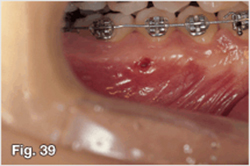
Fig. 39 Intraoral photo immediately after implant removal. The bleeding is not serious.
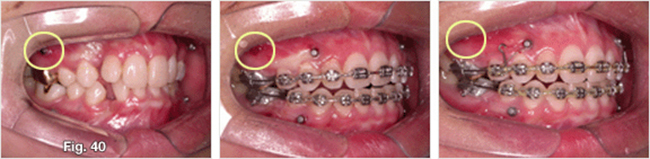
Fig. 40 Extraction wounds tend to heal quickly without scars.
- 상호 : (주)오솔루션
- 대표자 : 김정문
- 주소 : 서울 강동구 양재대로 1371 (성내동) 207호
- TEL : 02-483-1212
- FAX : 02-478-0735
- 사업자 등록번호 : 212-81-63456
- EMAIL : orlus@ortholution.com
- Copyright(c) (주)오솔루션. All Rights Reserved.

